


EFBC Member President’s Message:
Beyond False Harmony
In the past, I have mentioned The Five Dysfunctions of a Team by Patrick Lencioni, a framework many of us in EFBC are familiar with. We explored the first dysfunction in absence of trust. Today, I want to talk about the second, which is a fear of conflict.
When trust is strong, people feel safe enough to speak their minds. But when that trust is shaky or never fully formed, teams avoid real conversations, and we settle for false harmony.
For many of us, that’s not surprising. We’ve been trained, consciously or not, to keep the peace. Don’t make waves, don’t challenge the group, and there’s often even an unspoken agreement: Don’t cause conflict for me, and I won’t cause conflict for you.
That silent agreement can feel like protection, but it’s actually a trap. Because when we avoid conflict, we avoid clarity. We dodge the truth, and that sacrifices alignment and growth.
But conflict, when it’s rooted in trust and purpose, isn’t dysfunction — it’s discipline. It’s how teams clarify what matters, it’s how we as leaders grow, and it’s how organizations break through to the next level.
So here’s what I want to offer this month:
It’s a reminder that disagreement doesn’t have to be divisive — it can be clarifying. What it means is that people care enough to be uncomfortable. It means that they’re paying attention. And the most effective leaders and the most cohesive teams don’t fear conflict. They embrace it with respect, structure, and a shared intent.
So ask yourself:
-
Is there a conversation you’ve been avoiding?
-
Is there tension hiding under the surface, pretending to be alignment?
-
Is there someone on your team who needs to know it’s okay to speak up?
At EFBC, we talk about vulnerability and growth, and this is where they meet.
Let’s keep building trust. Let’s welcome the kind of conflict that makes us stronger. And let’s keep growing as leaders, even when the conversations are hard.
Thank you for being part of this community.
I’ll see you soon.
Joel Spencer
EFBC President 2025-2026
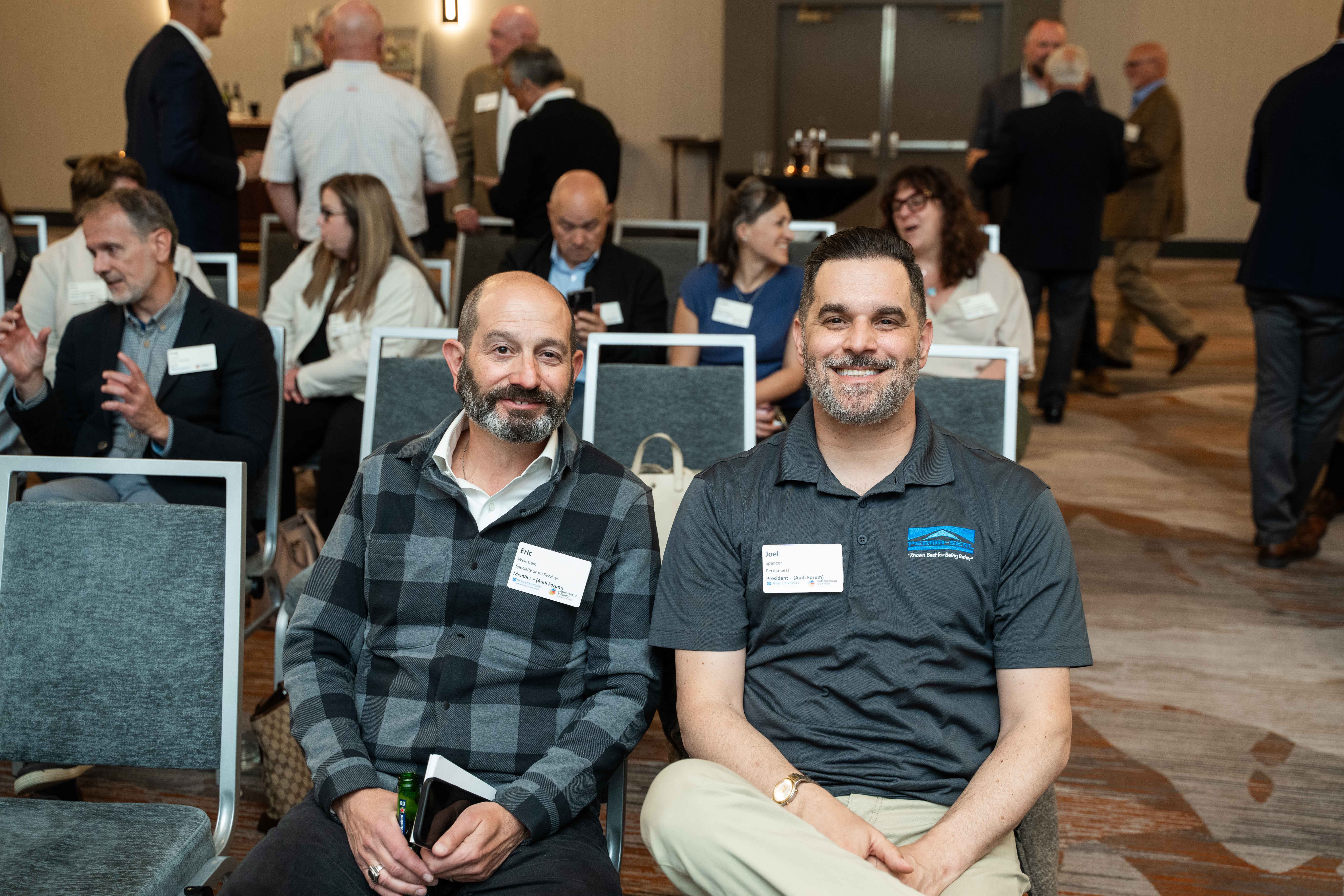
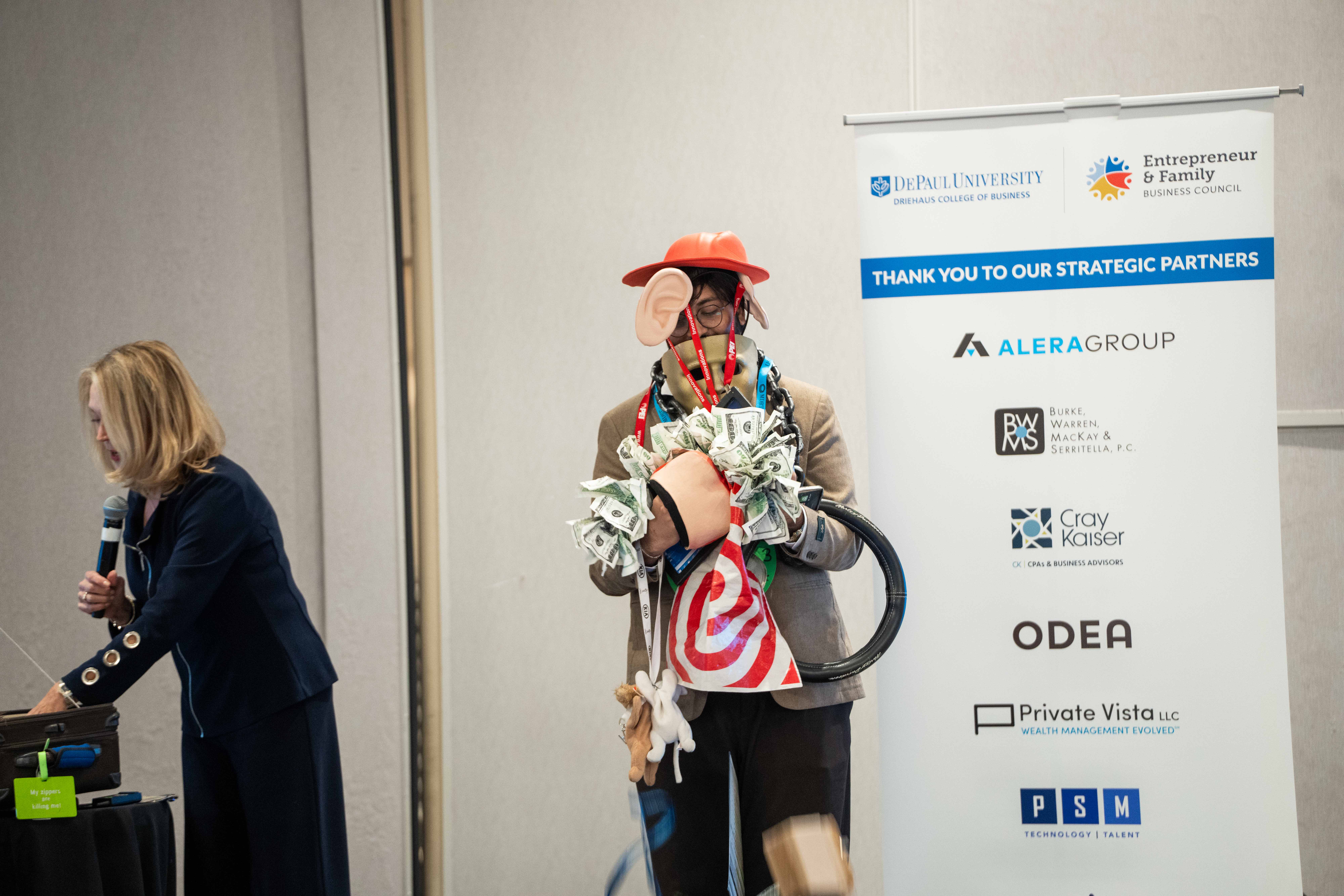
At a recent EFBC event featuring communication expert Colette Carlson, we explored many of these same themes around communication, trust, and psychological safety in leadership teams.
A few insights that stood out:
• Only 26% of leaders are actively creating psychological safety for their teams.
• Google’s Project Aristotle identified psychological safety as the number one predictor of high-performing teams.
• Teams with high levels of trust consistently demonstrate stronger collaboration, innovation, and engagement.
As Colette shared during the event:
“How we receive someone’s truth determines if we will ever hear from them again.”
Creating space for honest conversations is not always comfortable, but strong teams are built when people feel safe enough to speak openly, challenge ideas respectfully, and work through conflict together.


Joel Spencer
EFBC President